2021年2月28日星期日

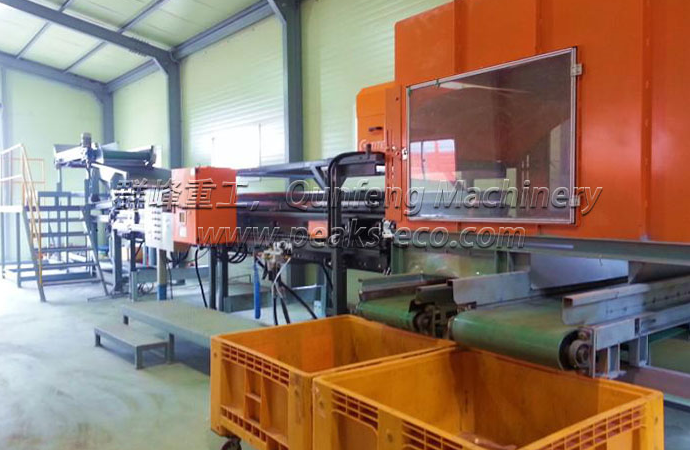
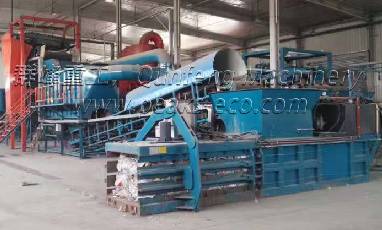
 Waste solution equipment is mainly composed of garbage hydraulic ram equalizer, garbage block crusher, plastic impurity separator, multi-layer dryer, fully automatic hydraulic baler, conveyer impurity separator, crusher, It is composed of organic matter refining sorter, multi-function box sorter, and other equipment.

The specific equipment is introduced as follows:

1. Garbage Hydraulic Brake Equalizer

The equipment adopts box type, remote automatic control, has the characteristics of no leakage, no pollution, high efficiency, continuous operation, etc. It is equipped with unique master and driven rollers, anti-swelling, anti-winding device, crushing device, and equalizing device It can effectively play the role of pretreatment and balanced feeding of garbage and is the key equipment to ensure the smooth operation of subsequent processing nodes in the entire garbage sorting process.

2. Rubbish Block Crusher

As the key equipment for the preliminary treatment of domestic waste sorting, it mainly mixes and disperses the sticky and clumped garbage in the domestic garbage, automatically tears the bagged and boxed garbage, and automatically breaks the large pieces of organic matter. It is equipped with a moving hammer knife, static knife, and special anti-winding device. The balance plates at both ends realize stable operation, no vibration, large daily processing capacity (600t / 800t), low energy consumption, sealed type Production, no material leakage, no dust flying, safe and environmental protection, no pollution, unique and beautiful structure. It provides good conditions for the air separation of heavy materials and light materials in the entire waste separation process, and the magnetic separation of metals.

3. Plastic Impurity Separator

The equipment adopts a totally enclosed design, which is mainly used for tearing large pieces of garbage, making the pieces smaller, and equipped with a unique impurity separation structure, which can effectively separate the dust and other impurities in the garbage. It has the characteristics of simple structure, stable performance, thorough separation, and convenient operation.

4. Multi-Layer Dryer

As compulsory drying equipment for waste plastics containing moisture, it is mainly used for light materials that carry 4% -10% of moisture (lightweight refers to plastics content of 80% -90%, rubber, and clothing, etc.) Perform drying. The appearance of the multi-layer dryer adopts a closed design, which not only keeps heat and saves energy but also prevents pollution. The interior is a multi-layer S-shaped sports design, which is equipped with a main and driven roller, an adjustment device, an upper supporting wheel, a lower supporting wheel, and a conveyor network. . Its other function is to capture and store impurities to provide a good source for subsequent harmless cracking, ensuring normal production.

Waste Solution Equipment

Waste Solution Equipment

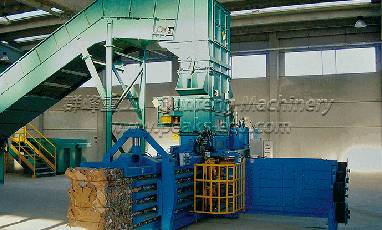
5. Hydraulic Automatic Plastic Baler Machine China

Compress and pack the cleaned waste plastics to lay the foundation for the next storage and pollution-free treatment. The equipment is mainly composed of frame, oil cylinder, oil pump, hydraulic valve, motor, and other components. It adopts PLC automatic control, simple operation, convenient maintenance, a high degree of automation, high pressure, continuous production, high work efficiency, and other characteristics.

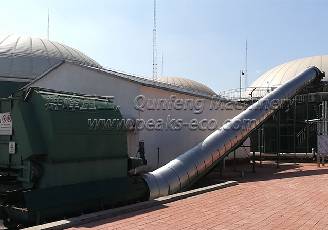
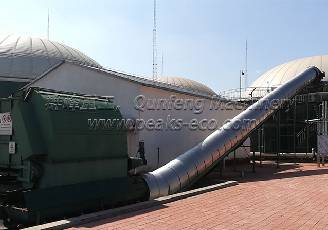
6. Conveying Device

It is used for the transmission function between the main equipment in the waste comprehensive treatment and sorting equipment. The U-belt conveyor is used to transport the materials to the designated location. In order to control the diffusion of the odor during the waste sorting process, the conveyor is all equipped with a cover It is easy to disassemble and disassemble and facilitate maintenance, fully embodying the people-centered safety management concept.


2021年2月20日星期六

Detailed Explanation of Basic Knowledge of Waste Incineration Power Plant

 01 The necessity of garbage incineration

As human beings continue to use natural resources to create a material civilization, a large amount of garbage is also generated.

According to the prediction of the United Nations Environment Program, with the development of the world economy, the global middle-class population will rise substantially. By 2025, the amount of global urban waste will increase from the current annual 1.3 billion tons to 2.2 billion tons. In this situation, we cannot be limited to the passive “defense” methods of landfilling and composting, but should actively take effective measures to carry out comprehensive and scientific treatment of garbage. Waste incineration power generation is the current ideal choice.

As a widely adopted urban domestic waste treatment method in developed countries, the incineration system complies with the three principles of "harmlessness, reduction, and recycling".

Reduction: After the waste is incinerated, the general volume can be reduced by more than 90% and the weight by more than 80%. Landfilling after garbage incineration can effectively reduce the occupation of land resources.

Harmless: After high-temperature incineration, it can eliminate a large number of harmful bacteria and toxic substances in the garbage, and can effectively control secondary pollution.

Large amounts of household waste are burned in the open air and spontaneous combustion of landfills emits dioxin into the atmosphere, which is several thousand times that of the same amount of waste discharged by modern incineration. Research from Germany shows that when garbage is transported to an incineration plant, the dioxin unit content has reached 50 ng. After domestic waste is incinerated, the original dioxin in the garbage is decomposed, and the dioxin discharged into the air is equivalent to 1% of the original content.

Recycling: The thermal energy generated after garbage incineration can be used for power generation and heating to achieve the comprehensive utilization of resources. Waste-to-energy can not only turn waste into treasure, produce electrical energy, but also save coal resources.

Internationally, it is generally believed that the average low calorific value of garbage can reach 3000 kcal/kg, the calorific value of standard coal is 7000 kcal/kg, and burning 2.3 tons of garbage can save 1 ton of coal. China ’s urban garbage is mainly domestic garbage, with large water content and a calorific value of only 1,000 kcal/kg, but even so, burning 7 tons of garbage can save 1 ton of coal, even if half of the city ’s garbage is used for incineration throughout the year, It can save more than 20 million tons of coal.

02 Technical principles of waste incineration power generation

Environmental equipment factory is to collect all kinds of waste and sort it. Among them: First, high-temperature incineration (completely eliminating pathogenic organisms and corrosive organic matter) with high combustion value, the heat energy generated during high-temperature incineration (the generated smoke is treated) is converted into high-temperature steam, and the turbine is rotated Make the generator produce electrical energy. The second is the fermentation, anaerobic treatment of the incombustible organic matter, and finally drying and desulfurization to produce a gas called methane (biogas), which is then converted into steam by combustion, which drives the turbine to rotate and drives the generator to generate electrical energy.

The garbage is transported to the incineration plant by the transport truck, weighed by the weighbridge, then opened to the discharge door and discharged to the garbage pond. The garbage crane sends the garbage into the feed hopper and into the furnace, where it is burned in the incinerator. The inlet of the blower is connected to the garbage pond, and the odor of garbage can be sent to an incinerator with a combustion temperature of about 850 to 1100 ° C for thermal decomposition to become odorless gas.

The garbage goes through three stages of drying, burning, and burning, and the garbage is fully burned at a high temperature of 850-1100 degrees. Through the DCS automatic control system and automatic combustion control system, the combustion conditions of garbage in the furnace can be monitored and adjusted in real-time, and the operating speed of the grate and the amount of combustion air can be adjusted in time. The burning flame and the high-temperature flue gas generated by garbage incineration generate high-temperature steam through a natural circulation boiler, which provides a steam source for the steam turbine generator set.
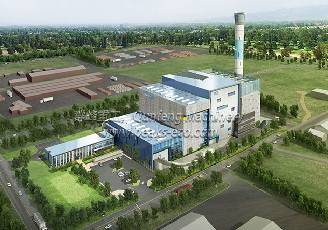
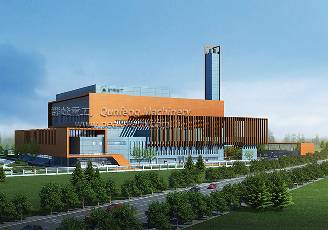
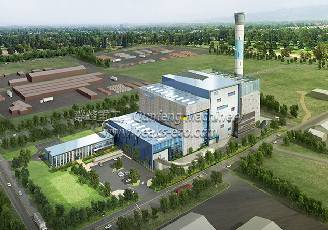
Waste to Energy (Incineration)

Waste to Energy (Incineration)


Waste incineration power generation treatment process

The main technologies of the main device of the incineration system include five types of technologies, including mechanical grate incinerators, fluidized bed incinerators, rotary incinerators, CAO incinerators, and pulse-throw incinerators. environmental equipment factory  to introduce you:

1. Mechanical grate incinerator

Working principle: The garbage enters the inclined downward grate through the feed hopper (the grate is divided into a drying area, a combustion area, and a burn-out area). Due to the interlaced movement between the grate, the garbage is pushed down and the garbage passes through in turn Various areas on the grate (when garbage enters from one area to another, it acts as a large turn) until it is burned out of the furnace.

The combustion air enters from the lower part of the grate and mixes with the garbage; the high-temperature flue gas generates hot steam through the heated surface of the boiler, and the flue gas is also cooled. Finally, the flue gas is discharged after being processed by the flue gas treatment device.

Features: The grate furnace domestic garbage incineration technology is stable in operation, has a strong ability to treat garbage thoroughly, and is suitable for continuous operation. After optimized flue gas treatment technology, the emission reaches the standard.

However, the material requirements and processing accuracy requirements of the grate are high, requiring that the contact surface between the grate and the grate is relatively smooth, and the gap between the rows is relatively small. In addition, the mechanical structure is complex, the damage rate is high, and the amount of maintenance is large.

2. Fluidized bed incinerator

Working principle: The furnace body is composed of a porous distribution plate. A large amount of quartz sand is added into the furnace chamber, the quartz sand is heated to above 600 ℃, and hot air above 200 ℃ is blown into the bottom of the furnace to make the hot sand boil, and then put in Rubbish.

Rubbish boils with hot sand, and the rubbish is quickly dried, caught on fire, and burned. The proportion of unburned garbage is lighter and continues to boil. The proportion of burned garbage falls to the bottom of the furnace. After water cooling, the coarse and fine slag are sent to the outside of the plant with a sorting equipment. A small amount of medium slag and The quartz sand is sent back to the furnace through the lifting equipment to continue to use.

Features: The fluidized bed is fully combusted and the combustion control in the furnace is good, but the amount of dust in the flue gas is large, the operation is complicated, the operating cost is high, the uniformity of the fuel particle size is high, and a high-power crushing device is required. The equipment is badly worn and the equipment maintenance is heavy. It is easy to cause coking, and the system's continuous operation ability is low.

3. Rotary incinerator

Working principle: The rotary incinerator is arranged with cooling water pipes or refractory materials along the furnace body, and the furnace body is placed horizontally and slightly inclined. Through the non-stop operation of the furnace body, the garbage in the furnace body is fully burned, and at the same time, it moves in the inclined direction of the furnace body until it is burned out and discharged from the furnace body.

Features: High equipment utilization, low carbon content in ash, low excess air, and low harmful gas emissions. But the combustion is not easy to control, and it is difficult to burn when the calorific value of garbage is low.

4. CAO incinerator

Working principle: The garbage is transported to the storage tank, enters the biochemical treatment tank, and dehydrated under the action of microorganisms, so that natural organic matter (kitchen waste, leaves, grass automatic garbage power generation crane, automatic garbage power generation crane, etc.) is decomposed into powder, other solids Synthetic organic matter including plastics and rubber and inorganic matter in the garbage cannot be decomposed and pulverized.

After screening, the unpulverized waste enters the first combustion chamber (temperature is 600 ℃) before entering the incinerator, and the combustible gas produced enters the second combustion chamber. The non-combustible and non-pyrolyzable components appear as ash The shape is discharged in the first combustion chamber.

The temperature in the second chamber is controlled at 860 ° C for combustion, and high-temperature flue gas heats the boiler to produce steam. The flue gas is discharged from the chimney to the atmosphere after treatment. The metal glass will not be oxidized or melted in the first combustion chamber and can be sorted and recovered in the ash.

Features: Recyclable useful materials in the garbage; but the processing capacity of a single incinerator is small and the processing time is long. At present, the daily processing capacity of a single furnace is up to 150 tons. Because the residence time of flue gas above 850 ℃ is difficult to exceed 1 second The clock is short, and the content of dioxins in the smoke is high, making it difficult to meet the environmental protection standards.

5. Pulse toss

Working principle: The garbage is sent to the drying bed of the incinerator through an automatic feeding unit for drying, and then sent to the first-stage grate. After high-temperature volatilization and cracking on the grate, the grate is thrown by the impulse aerodynamic device The garbage is thrown into the next level grate step by step, at this time the polymer material is cracked and other materials are burned.

In this way, it will enter the ash slag pool after being burned out at the end, and be discharged by the automatic slag removal device. Combustion-supporting air is injected into the air holes on the grate and mixed with the garbage to burn while suspending the garbage in the air. The volatilized and cracked substances enter the second-stage combustion chamber for further cracking and combustion. The unburned flue gas enters the third-stage combustion chamber for complete combustion; the high-temperature flue gas heats the steam through the boiler heating surface, and the flue gas passes Discharge after cooling.

The advantages are:

(1) A wide range of waste disposal, capable of processing industrial waste, domestic waste, hospital waste, waste rubber tires, etc .;

(2) The combustion thermal efficiency is high, the normal combustion thermal efficiency is more than 80%, even if the domestic waste with large water content, the combustion thermal efficiency is more than 70%;

(3) Low operation and maintenance costs, due to the use of many special designs and a high level of automation control, there are few operating personnel (only two people are required for a furnace including ash removal personnel), and the maintenance workload is also small (4) High reliability, after nearly 20 years of operation, the failure rate of this incinerator is very low, the annual operation is more than 8000 hours, and the general utilization rate can reach more than 95%;

(5) The level of emission control is high. Due to the use of secondary flue gas burning and advanced flue gas treatment equipment, the flue gas is fully treated;

(6) The grate is purged by compressed air and has a self-cleaning function.
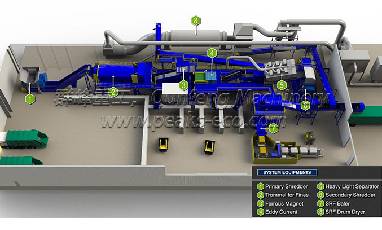
 Environmental Equipment Factory

Environmental Equipment Factory

04 Requirements for discharge and treatment of pollutants from waste incineration power generation

1. Engineering Technical Requirements

The annual operating time of each incineration production line should be more than 8000 hours, and the design service period of the incineration system should not be less than 20 years.

The effective volume of the garbage pond shall be determined according to the rated garbage incineration volume for 5 to 7 days. Garbage ponds should be equipped with garbage leachate collection facilities. Domestic garbage storage facilities and leachate collection facilities should adopt closed negative pressure measures and ensure that they are under negative pressure during the operation period and furnace shutdown period. The gas in these facilities should be preferentially passed into incinerators for high-temperature treatment or collected and discharged after meeting the requirements of the "Standard Pollutant Discharge Standard" through deodorization treatment.

The waste to energy system should ensure that the garbage is fully burned in the incinerator. The flue gas in the secondary combustion chamber should be kept at a temperature of not less than 850 ℃ for not less than 2 seconds. The incinerator slag heat reduction The rate should be controlled within 5%.

The waste incineration line must be equipped with a flue gas purification system, and it should be arranged in a unit system. The choice of the flue gas purification process should fully consider the changes in the characteristics of garbage and the number of incineration pollutants produced, as well as the impact of their physical and chemical properties, and pay attention to the matching between the combined processes.

Removal of acidic pollutants: acidic pollutants include hydrogen chloride, hydrogen fluoride, sulfur oxides, nitrogen oxides, etc., and appropriate treatment processes should be used to remove them.

Measures should be taken to strictly control the emission of dioxins in the flue gas, including controlling the temperature, residence time and airflow disturbance conditions of the incineration flue gas in the combustion chamber; reducing the residence time of flue gas in the temperature range of 200 ℃ ~ 500 ℃; setting activated carbon Powder and other adsorbents are sprayed into the device.
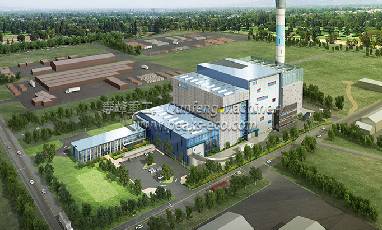
Incineration System

Incineration System

2. Operational regulatory requirements

The amount of garbage stored in the garbage storage pond should be regularly monitored, and effective measures should be taken to discharge the leachate in the garbage storage pond. The leachate should be discharged after treatment.

On-line monitoring of the operating status of the incinerator should be achieved. The monitoring items should include at least the combustion temperature of the incinerator, the furnace pressure, the oxygen content of the flue gas outlet, and the carbon monoxide content. A sign should be set up in a prominent position to automatically display the main parameters and smoke of the operating conditions of the incinerator. Online monitoring data of major pollutants in the gas.

Automatic and continuous online monitoring of flue gas should be achieved. The monitoring items should include at least hydrogen chloride, carbon monoxide, soot, sulfur dioxide, nitrogen oxides, etc., and be connected to the local environmental sanitation and environmental protection authorities to achieve real-time data transmission.

Slag and fly ash generated by garbage incineration shall be properly handled or disposed of in accordance with regulations.

Effective odor control measures should be taken in each process, and the plant area should be free of obvious odors; deodorization systems should be used as required at relevant locations and maintained in a timely manner as required.

In garbage storage tanks, sewage and leachate collection tanks, underground buildings, production control rooms, and other places where biogas is easily collected, daily monitoring and supervision should be strengthened to ensure safe production.

3. Waste gas treatment requirements

The waste gas emitted by the waste incineration plant mainly comes from the flue gas generated by the incineration process. The main pollutants are dust, hydrogen chloride (HCl), sulfur dioxide (SO2), nitrogen oxides (NOX), carbon monoxide (CO), organic pollutants, Dioxins, and heavy metals.

The computer control system can achieve a high degree of automation of waste incineration, heat energy utilization, flue gas treatment, and other processes, control the set combustion conditions (such as furnace temperature is higher than 850 ℃, flue gas residence time is greater than 2 seconds, to maintain flue gas turbulent flow and Moderate peroxygen), so that the incineration system operates under rated conditions, the original emission concentration is reduced to a minimum, and to ensure the complete decomposition of organic substances such as dioxins.

Install a variety of effective flue gas treatment equipment, such as bag dust removal, activated carbon adsorption of harmful substances, etc., and use a flue gas online monitor-to continuously monitor the flue gas emission indicators of each incineration line to ensure the emission of flue gas pollutants from waste incineration plants Meet the required standards.

4. Odor control requirements

The compressed transport truck with good airtightness and automatic loading and unloading structure should be used to transport garbage to minimize odor overflow.

An air curtain should be installed at the entrance and exit of the garbage discharge hall, and the electric discharge door should be closed before and after the discharge of the garbage truck to prevent the odor from escaping.

The garbage pond should adopt a closed design, with an air suction port above the garbage pond to guide the malodorous gas as combustion air into the incinerator for high-temperature decomposition, and make the garbage pond and the discharge hall under negative pressure.

Spare activated carbon exhaust gas purification facilities should be set up. During the maintenance shutdown of the whole plant, the odor in the garbage pond must be purified by the activated carbon exhaust gas purification facilities before it can be discharged.

5. Dioxin emission control requirements

The so-called dioxin is actually an abbreviation for dioxin. It refers to the two major categories that contain many similar species or isomers with similar structure and properties. There are a total of 210 organic compounds, but only a few of them are Species are considered toxic.

Dioxin is not a unique public hazard in waste incineration plants. It is a compound produced by heating organic matter together with chlorine and is a relatively common chemical phenomenon. Dioxins can be found in the air, soil, water, food, and garbage. Studies have shown that food is its main source. About 90% of the dioxins in human contact come from the diet.

The waste incineration plant controls the emission of dioxin, mainly adopting the mature "3T" and high-efficiency purification technology. One is to maintain the temperature in the incinerator chamber above 850 degrees, and control the flue gas to stay in the furnace for more than 2 seconds so that It is completely decomposed; the second is that the flue gas passes through the most advanced purification treatment system to control the unit dioxin concentration within 0.1 (ng TEQ / m3), reaching the most stringent international emission standards.

6. Slag and fly ash control requirements

The slag is mainly the residue of household garbage after incineration, and its production depends on the composition of the garbage. Its main components are manganese oxide (MnO), silicon dioxide (SiO2), calcium oxide (CaO), and aluminum oxide (Al2O3), Iron oxide (Fe2O3), scrap metal, and a small amount of unburned organic matter.

After the slag generated by garbage incineration is treated at a high temperature and harmless, and then separated by magnetic separation, etc., the slag can be comprehensively used, and the part that cannot be comprehensively used can be sent to the sanitary landfill for landfill.

Each device of the fly ash collection, storage, and processing system should be kept in a closed state. When the flue gas purification system uses dry or semi-dry methods to remove acid gases, the fly ash treatment system should adopt mechanical or pneumatic ash removal methods; when using the wet method, the fly ash should be effectively separated from the sewage.

Fly ash is a hazardous waste and must be collected separately. It must not be mixed with domestic waste, incineration residues, etc., or mixed with other hazardous waste. Fly ash from incineration of garbage shall not be stored in the factory area for a long period of time, shall not be subjected to simple disposal, and shall not be transported out and discharged at will.
2021年2月12日星期五

What Are the Core Elements of a Incineration System?Did You Get It? (Part 2)

 2 Smoke purification effect

Everyone knows that if the incineration is not processed, it will inevitably produce toxic or harmful gases. As the messenger to eliminate waste and purify the environment, of course, incineration cannot produce pollution while eliminating pollution. Therefore, another key to the incineration system is flue gas purification.

  ► Activated carbon adsorption device

Taking the dioxin that everyone is most familiar with and caring about as an example, first, during the incineration process, stable, sufficient, and multi-stage combustion has minimized the production of dioxin, and then, the flue gas has to pass the temperature above 1100 ℃ The second combustion chamber of the second combustion, the dioxin-like substances have been basically eliminated, you know, this has not yet reached the flue gas purification link. Therefore, the final multi-stage flue gas treatment mode of "dry deacidification + activated carbon adsorption + wet deacidification + activated coke purification device" almost eliminates dioxin and reaches the EU and domestic flue gas emission standards (ps: Less than 0.0000001 mg toxicity equivalent / per cubic meter)

Waste To Energy System In Operation

 Waste To Energy System In Operation

► Waste to energy system in operation

After a series of flue gas purification treatments, finally, what will be discharged into the atmosphere will be a safe, clean, colorless gas (ps: white water vapor is formed at low temperature).

3 System stability

Whether it can maintain stable operation for a long time is another key indicator for evaluating the incineration system. The instability of the system will inevitably bring time and maintenance costs. At the same time, if hazardous wastes are not handled in time, it will also bring hidden dangers. The stability of the system is affected by many factors, including the problem of coking (which is caused by the softened ash in the incinerator being cooled and sticking to the heated surface), which not only affects the full combustion mentioned above The purification effect of gas and flue gas is severely forced to shut down the furnace, shortening the life of the equipment.

► Hazardous waste incineration line

Of course, maintaining the stable operation of the system is not only a solution to the problem of coking but also the selection and installation of refractory materials for the rotary kiln and the prevention of dust accumulation.

Seeing here, everyone should be able to understand that incineration is not as simple as burning. It is supported by a complete, complex, and scientific incineration system. This system has strict design and operation standards to ensure that it can not only effectively reduce weight 1. Harmless waste around us, resolve the crisis of garbage siege, save precious land resources, beautify our living environment, and also cause no secondary pollution to the environment, and live in harmony with the surrounding environment. Therefore, if one day encounters a tall and thin incinerator "Chimney King", don't be afraid. As an environmental guard, it has been carefully caring for our home.


2021年2月6日星期六

What Are the Core Elements of a Incineration System? Did You Get It? (Part 1)

 ► modern waste incineration plants

When it comes to garbage disposal, is certainly not open around "burn", burning, as a kind of more ancient and traditional way of garbage disposal, has appeared in the early years of human civilization, but it really becomes a kind of special technology, life rubbish and disposing of hazardous waste is in the middle of the 19th century, when people burned infectious disease epidemic area may have infectious diseases of garbage, to control the spread of the infectious disease and spread.

After more than 100 years of development, incineration is no longer the "find a place to burn the garbage" honest boy in ancient times. After continuous upgrading and evolution, it is now mature and reliable. It is not only able to deal with the garbage disposal, but also very friendly to the environment.

A complete incineration system contains seven major subsystems: waste storage and pretreatment system, feed system, incineration system, waste heat utilization system, flue gas purification and emission system, electric instrument automatic control system, auxiliary system, and Each subsystem are composed of many devices. If a simple analogy is made, these devices and subsystems correspond to the organs and systems of the human body. The complex operation of the organs ensures the realization of the functions of the subsystems. Each subsystem cooperates with each other to ensure the entire incineration. The normal operation of the system.

There are three core problems to be solved in a waste to energy system. This is also the basic criterion for judging whether it is qualified:

1

Sufficiency of combustion

The core purpose of incineration is to make a waste reduction and harmlessness. Only by fully burning in the incinerator can the number of residues and hazards be reduced, the capacity reduction after hazardous waste incineration can be improved, and the heat can be fully utilized.

Incineration System

Incineration System

Agile Environmental Protection Group's system uses a set of secondary combustion technology of rotary kiln + grate

► Rotary kiln and grate

During the operation, the hazardous waste rotates in a circular motion along with the rotation of the long cylindrical rotary kiln, so as to fully burn, and then the burning residue discharged from the rotary kiln directly falls on the grate at the tail. The residue of the ash is pushed, turned, and moved slowly forward while burning. The unburned ash material in the residue continues to burn and burn until the end of the grate, falls into the slag well, and is cooled by the slag discharger.

► Secondary combustion technology

In this way, after the double roasting of the rotary kiln + grate, the hazardous waste will eventually become "ash".

2021年1月29日星期五

Analysis of Key Points of Anaerobic Digestion Process Design (Part 2)

 3

Selection of mixing method in the digester

Anaerobic digestion system contact with the substrate of the reaction is bacteria, both need to make the fully mixed in the reaction process, so the mixture becomes very important. By designing a reasonable mixing method, the following objectives can be achieved: a) the fresh sludge can be fully mixed with the digested sludge rich in digestive bacteria to speed up the reaction speed;B) make the gas separate from the sludge smoothly and overflow the liquid level;C) keep the temperature and PH of the system uniform, and avoid the influence of temperature and PH changes on the digestive bacteria;D) prevent the formation of large amounts of scum in the pool.

There are three kinds of common stirring methods, which are gas stirring, mechanical stirring (including mechanical impeller stirring, mechanical lifting circular stirring), and sludge circular stirring. The domestic and foreign stirring methods are biogas stirring and mechanical stirring, and the sludge pump circulation method is rarely used due to the large power consumption. In the design and selection of agitators, the shape, volume, investment cost, and operation management requirements of digester should be considered comprehensively. The following are some common stirring devices:

1

Propeller mechanical agitator

Propeller-type mixing equipment is simple in composition, easy in operation, and small in maintenance. It can push the sludge upward or downward through the standpipe. Therefore, on the premise of fixing the sludge liquid surface, it can effectively eliminate the scum layer. However, when the propeller in the pool breaks down, the digestive system should stop running and enter the internal maintenance. The processing capacity of the propeller agitator was characterized by the number of times in one day the sludge from the digester was completely stirred or the time it took to complete a single stirring.

2

(2) suspension nozzle biogas agitator

The suspended nozzle biogas agitator consists of a biogas delivery standpipe and a nozzle suspended at the top of the tank. The agitators can be arranged at multiple points in the pool as needed and can be run in groups. Simple structure; Flexible setup and operation; Because it can be stirred in groups, the required stirring intensity is small; Strong adaptability to the pool; Not subject to liquid level control and other advantages. This type of agitator is suitable for the various pool shapes mentioned above and shows its advantages in the flat bottomed or tapered lower digester. The performance of the agitator is the same as that of the propeller agitator.

Analysis of Key Points of Anaerobic Digestion Process Design (Part 2)

Anaerobic digestion system 

3

Multi-beam tube biogas agitator

The multi-beam tube biogas agitator is composed of a multi-beam biogas conveying pipe (the beam pipe) and a biogas release port. The beam tube enters the pool from the middle of the top of the digester and extends to the outlet at the bottom of the pool. This agitator is characterized by its simple structure and easy operation. However, it is easy to block, so it is necessary to add an observation ball and high-pressure water washing device at the end of each beam tube on the top of the pool. Due to the setting of the methane outlet, it is concentrated in the middle of the bottom of the pool, which is suitable for the pool with a small diameter and a large slope. The selection of agitator depends on the volume of the whole tank.

4

At the bottom of a number of blowpipe biogas agitator

The bottom of the multi-blowpipe biogas agitator is mainly composed of a multi-pipe biogas conveyer and a biogas release port. The biogas pipe can enter from the sidewall at the top of the tank or the side of the tank, and extend along the bottom of the tank to the middle of the tank and connect with the biogas outlet. Similar to the multi-beam tube biogas agitator, this type of agitator is characterized by its simple structure and easy operation. However, it is easy to block, because the biogas release port is located in the middle of the bottom of the pool, which is suitable for the pool with a small diameter and a large slope. The selection of agitator is based on the volume of the whole tank.

Among the four common agitators mentioned above, the propeller mechanical agitator is a mechanical agitator, and the other three are all biogas agitators. This is mainly because biogas mixing has many advantages: a) the flow of biogas drives the internal circulation of sludge;B) the turbulence effect prevents the generation of scum, the mixing effect is good and the gas separation effect is improved;C) the use of biogas does not need to consider the tank type and liquid level. There are also some disadvantages of biogas mixing: a) the composition is complex, generally including biogas compressor, biogas injection pipe, biogas recycling pipe, condensate water discharge equipment, and biogas filter, etc., resulting in complex operation management; B) firedamp is a flammable and explosive gas, and equipment for firedamp requires special safety measures.

Compared with anaerobic digestion, aerobic digestion aims at producing stable products through the oxidation of biodegradable organic matter, reducing mass and volume, reducing pathogenic bacteria, and improving the characteristics of sludge for further treatment.

Aerobic digestion is usually used in sewage plants with a treatment capacity of less than 1.89×10⁴m3/d, and the primary sludge is usually mixed with the secondary sludge for digestion, at which time the oxygen demand is greater than that for the treatment of individual biological sludge. The digestion tank should be equipped with grills and slag skimming equipment. The inlet water should not contain high inorganic substances and should be ground to prevent the blockage of the aeration equipment. Even so, the aeration facilities still need to be fully considered to prevent the accumulation of grease and scum on the surface of the digester.

2021年1月23日星期六

Analysis of Key Points of Anaerobic Digestion Process Design (Part 1)

 Anaerobic digestion system process design mainly embodied in the digester type, mixing method and process on the choice of operating parameters.The general design principles are as follows: a) on the basis of reference to similar engineering cases and design specifications, the optimal process operation parameters, such as residence time, operating temperature, solid load and organic load, are obtained through experiments;B) suitable pool type selection;C) good mixing method, mixing evenly, no dead corners;D) simple and stable operation guarantee, such as equipment that is easy to operate and maintain, good heat transfer equipment that avoids temperature fluctuations, and measures to remove scum easily;E) safe and reliable biogas delivery system.

Content to be determined in process design: a) design of digestion mode;B) selection of digester shape;C) determine the mixing method of sludge in the digester;D) selection of design parameters;E) determination of sludge heating method;F) determination of sludge allocation method;G) determination of sludge and methane emission modes;H) removal method of scum and supernatant;I) guarantee of safety and protection measures;J) determination of monitoring and control methods;K) selection of other ancillary devices.Among the above aspects, the way of anaerobic digestion, the shape of the digester, the main design parameters and the mixing and mixing method of the sludge in the digester have great influence on the construction cost and use effect of the digester, which should be selected carefully.

1

The design of the digestion method

(1) digestion temperature, anaerobic digestion according to the operating temperature of different divided into medium temperature digestion (30 ~ 36℃) and high temperature digestion (50 ~ 55℃), in which the best temperature of medium temperature digestion is 35℃, the best temperature of high temperature digestion will be due to other factors will have a greater change.High temperature digestion is characterized by fast decomposition rate, high gas production rate and short residence time, thus improving the digestion capacity and saving the digester volume.In addition, the hygiene index was better, the killing rate of parasitic worm eggs could reach 95%, and the coliform index could reach 10-100.High energy consumption and difficult temperature control.The characteristics of medium-temperature digestion are that compared with the advantages of high-temperature digestion, the medium-temperature digestion is stable, easy to control, relatively low energy consumption, and has mature design and operation experience.At present, the domestic and external use of medium temperature anaerobic digestion.

(2) digestion level, according to the number of digestion tank divided into one digestion and two digestion.Primary digestion refers to sludge anaerobic digestion is completed in a digester;Two-stage digestion refers to the anaerobic digestion of sludge is completed in two digesters. The first-stage digester is equipped with heating, stirring device and gas collection device, and no supercleaning liquid and scum are discharged. The second-stage digester is not heated and stirred, and only the remaining heat of the first stage is used to continue digestion, and the supercleaning liquid and scum are discharged at the same time.The cost of the two-stage digestion process is relatively high, and the operation is more complicated than that of the first-stage digestion. The decomposition rate of organic matter is slightly improved, and the gas production rate is about 10% higher than that of the first-stage digestion.Based on the savings of investment costs and simple and stable operation, the current domestic use of a digestion.

Anaerobic Digestion Plant

Anaerobic Digestion Plant

2

Selection of anaerobic digestion plant

A standard digester should be characterized by good mixing and agitation, good scum foam removal conditions, good structural conditions, and no dead zone. There are many types of the digester, and there are three kinds of digester in common use. The three kinds of digester have their own advantages and disadvantages, which are suitable for different regions. The following simple description can provide a reference for the design.

The flat cylinder is more common in Europe, height: diameter = 1. This kind of flat - bottomed circular mixing system has a single requirement, and most of them adopt the hanging injection biogas mixing technology which can be installed at multiple points in the tank.

Cone bottom cylinder is widely used in China, where the height: diameter =1, the top and bottom are cones, the bottom slope is 1.0-1.7, and the top slope is 0.6-1.0. This type of digester is conducive to internal circulation, with less heat loss than the flat bottom cylinder, and a good mixing system. The disadvantage is that the bottom volume is large, easy to accumulate sand, need to be cleaned regularly. In addition, from the structural point of view, the cone part is difficult to construct, and the stress set, need special treatment.

The oval digester is an improvement on the cylindrical shape of the cone bottom. The shape of the digester has many advantages for the above two types of digesters.B) under certain pool capacity conditions, the total surface area of the pool body is small and the heat loss is small;C) small surface area on the top of the tank, easy to remove scum and easy to collect biogas;D) structurally, the egg-shaped structure bears good stress and saves building materials;E) beautiful appearance.

2021年1月17日星期日

The Damage of the Hydraulic Metal Baler Lying Idle for Too Long

 The hydraulic baling machine gradually loses its original performance during use or idle, or the performance is poor compared with similar new equipment, and the phenomenon of the old style is called equipment degradation.

1. The degradation of hydraulic metal baler can be divided into use degradation, natural degradation and disaster degradation. Use degradation refers to the damage and deformation caused by wear and corrosion caused by wear and corrosion, impact, fatigue, and panning during the use of the equipment, the adhesion of raw materials and the pollution of dust and other phenomena, causing the equipment to lose its original Performance. Natural deterioration refers to the phenomenon of aging of materials with the passage of time or by the influence of the atmosphere after the equipment enters the factory, or suffering from external disasters and accelerating the speed of this aging. Disaster deterioration refers to the phenomenon that equipment is damaged or equipment performance is reduced due to natural disasters such as storms, flooding, earthquakes, lightning strikes, and explosions.

2. The equipment deterioration of hydraulic cardboard baling machine china can also be divided into absolute deterioration and relative deterioration. Absolute degradation is the aging of equipment, that is, as time passes, the equipment gradually wears out and gradually aging until it needs to be scrapped. Relative deterioration refers to the phenomenon that the original equipment and the new equipment have low performance and poor quality, so they appear old-fashioned.

The deterioration of the equipment leads to a reduction in the technical performance of the equipment, or the technical performance of the original equipment is poor compared to the new equipment. If you look at the economic value of the equipment, its value also decreases over time, which is also called economic degradation.

The deterioration of the equipment reduces the performance of the equipment, increases the number of failures, increases the maintenance costs, reduces the output of the products it produces, reduces the quality, increases the cost and cannot guarantee the delivery on time, and the staff's sense of security and mood decrease, causing various losses.

Hydraulic Cardboard Baling Machine China

Hydraulic Cardboard Baling Machine China

3. There are two compensation methods for equipment degradation: one is to replace the old equipment that has been deteriorated or worn out with new equipment, that is, to update the equipment; the second is to perform local compensation through maintenance during the use process. Because the service life of equipment parts is uneven, it is of great economic significance to use a repair method to compensate locally.

4. The cycle diagram of equipment degradation can be seen that the equipment enters the production period from the construction period. Its performance gradually reaches the design level and enters the stable production period. After further innovation, the performance of the equipment will be further improved and the normal production period will be entered. The equipment gradually deteriorates in use, and every time it is repaired, a certain performance is restored, but the performance of the equipment still shows a downward trend. At this time, if the transformation is carried out, the performance of the equipment may approach the new generation of equipment. When the performance of the equipment deteriorates sharply and it is not worth the repairs, it should be updated.

How does NIR Optical Sorting System Work?

NIR Optical Sorting   is one of the most rapidly developing high technologies in the last 20 years. This technique is convenient, fast, effi...